
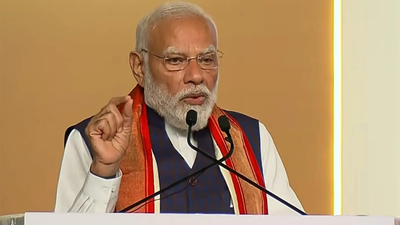
New Delhi, May 12, 2026 – Prime Minister Narendra Modi has urged Indians to embrace personal sacrifices for the greater national good as the ongoing West Asia crisis – triggered by escalating Iran-related conflicts and disruptions in the Strait of Hormuz – drives up global oil prices and strains India’s foreign exchange reserves. In a public rally in Hyderabad on May 10-11, Modi framed the moment as one requiring “Nation first, duty above comfort,” issuing seven specific appeals to citizens to conserve fuel, curb imports, and revive pandemic-era habits.
The appeals, widely reported and echoed across government channels, include:
- Prioritise work-from-home (WFH) wherever possible to reduce commuting and fuel use.
- Reduce petrol and diesel consumption by opting for public transport (metros, buses), carpooling, electric vehicles (EVs), and using railways for goods movement.
- Postpone non-essential gold purchases for at least one year.
- Cut down on cooking and edible oil consumption.
- Shift towards natural farming and reduce reliance on chemical fertilisers to lower import dependence.
- Adopt Swadeshi (indigenous) products and buy local over foreign brands.
- Avoid non-essential foreign travel for one year and choose domestic tourism instead.
Modi described these steps as “economic self-defence” and a modern form of patriotism. “Patriotism is not only about the willingness to sacrifice one’s life on the border. In these times, it is about living responsibly and fulfilling our duties to the nation in our daily lives,” he said, emphasising the need to protect forex reserves amid rising import costs for fuel and other commodities.
The timing of the appeal – just days after BJP’s strong showing in recent state polls – has drawn sharp criticism from the opposition, which accuses the government of shifting the burden of economic mismanagement onto ordinary citizens while continuing high-profile international engagements.
Contrast with Modi’s Past Speeches
This is not the first time Modi has invoked themes of sacrifice, duty, and self-reliance. In his Independence Day addresses and key policy launches, he has repeatedly called on citizens to contribute to nation-building. During the 2016 demonetisation, he asked for 50 days of patience for long-term gains. The Atmanirbhar Bharat (Self-Reliant India) campaign during the COVID-19 pandemic promoted vocal-for-local and reduced import dependence. In his 2022 Independence Day speech, Modi outlined five pledges for a developed India by 2047, urging pride in heritage, removal of colonial mindsets, and collective duty.
Earlier Red Fort speeches (e.g., 2014) positioned him as the “first servant” of the nation, promising to work harder than citizens while invoking freedom fighters’ sacrifices. The current appeals echo those calls for Swadeshi and restraint but strike a more immediate, austerity-focused tone reminiscent of the COVID era’s WFH and conservation drives. Critics note a shift from the 2014 campaign’s optimistic narrative of “Acche Din” (Good Days), ease of living, and rapid economic growth to today’s emphasis on personal cutbacks amid global headwinds.
The Foreign Trip Irony
The appeals have fuelled accusations of inconsistency, particularly Modi’s own scheduled five-nation foreign tour beginning May 15 – just four days after the Hyderabad speech. The itinerary includes a stopover in the UAE for energy and regional security talks, followed by visits to the Netherlands (trade and defence), Sweden (green tech and innovation), Norway (India-Nordic Summit), and Italy (bilateral strategic partnership). The trip is officially aimed at bolstering energy security, emerging technologies, and trade ties at a time of global uncertainty.
Opposition leaders, including Congress’s Rahul Gandhi, have pounced on the optics. “Rallies in droves, foreign trips… Modi ji asked the public to make sacrifices — don’t buy gold, don’t go abroad, use less petrol,” one critique highlighted. TMC MP Mahua Moitra and others termed it “evidence of failure,” arguing that asking citizens to skip foreign travel while the Prime Minister jets off underscores a disconnect between leadership and the public. BJP has countered by citing historical precedents, such as Jawaharlal Nehru’s calls for restraint during past global crises, and defended the tour as essential diplomacy to safeguard India’s interests.
Government sources maintain there is no contradiction: official foreign visits serve strategic national purposes (securing oil alternatives, investment, and alliances), whereas the public appeal targets discretionary, non-essential private spending. Industry leaders have broadly backed the conservation measures, noting they could ease pressure on the rupee and inflation.
As India navigates the fallout of the West Asia conflict – now in its third month – Modi’s message seeks to rally collective resolve. Whether the appeals translate into widespread behavioural change or deepen political polarisation remains to be seen. For now, the contrast between the call for citizen austerity and the imperatives of high-level global diplomacy has set the stage for a fresh debate on leadership, sacrifice, and priorities in turbulent times.
Leave a Reply