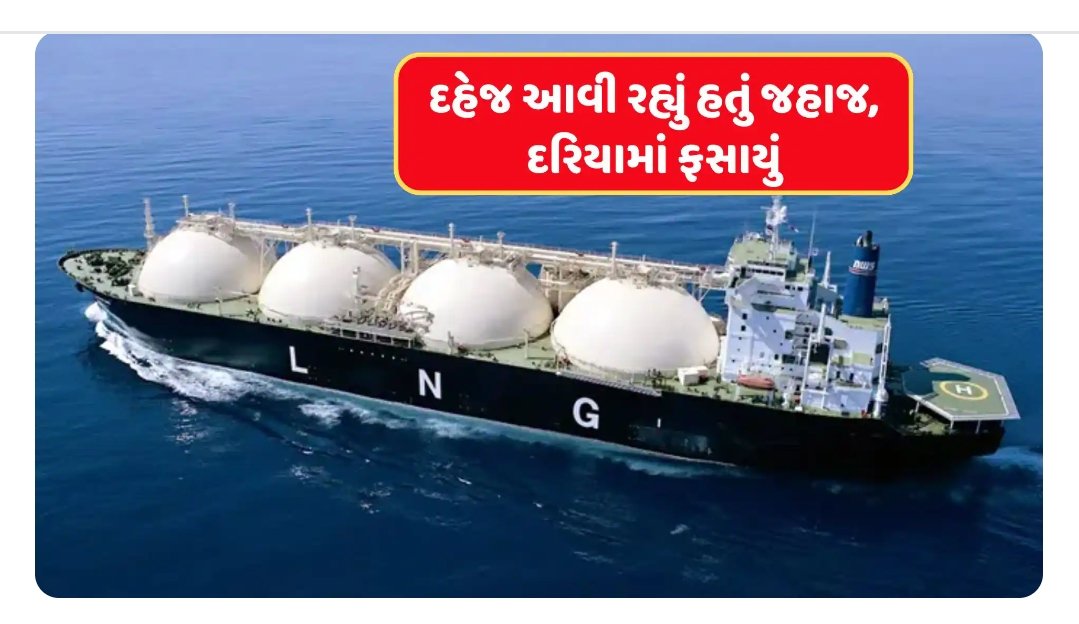
A Russian liquefied natural gas (LNG) tanker carrying 138,200 cubic metres of gas is stranded in maritime waters near Singapore after Indian authorities refused to accept the cargo, citing US sanctions on its Russian origin.
The vessel, identified as the Kunpeng, was en route to the Dahej LNG terminal in Gujarat from Russia’s Portovaya LNG plant in the Baltic Sea. The plant is subject to American sanctions, prompting India to turn down the shipment to avoid any violation of international restrictions.
According to shipping tracking data, the tanker is now stationary in Singapore’s maritime zone, unable to discharge its cargo at the Indian terminal.
India’s Balancing Act Amid Energy Crisis
The decision comes at a time of rising energy concerns triggered by escalating tensions between Iran and the United States. Disruptions in key shipping routes, including the Red Sea and the Strait of Hormuz, have intensified global energy supply worries.
India, the world’s third-largest oil importer, has dramatically increased purchases of Russian crude oil since the start of the Ukraine conflict. However, it has drawn a firm line on LNG from sanctioned Russian projects. Unlike crude oil shipments, which can sometimes be rerouted or disguised, LNG tankers are easily tracked by satellites, making compliance with US sanctions a high priority to avoid secondary penalties.
“India wants to meet its growing energy needs but is equally keen not to breach US sanctions,” sources familiar with the matter said.
In sharp contrast, China continues to openly purchase LNG from sanctioned Russian facilities.
Geopolitical and Domestic Pressures
India remains open to buying non-sanctioned Russian LNG, but a large share of such supplies has already been committed to European buyers. The Kunpeng incident underscores the challenges New Delhi faces in diversifying its energy basket while navigating complex geopolitics.
The country imports nearly 50 per cent of its natural gas requirements, with much of it arriving via vulnerable sea routes in the Middle East. Recently, Prime Minister Narendra Modi appealed to citizens to conserve fuel and safeguard foreign exchange reserves amid these uncertainties.
The Portovaya plant has a relatively modest annual production capacity of about 1.5 million tonnes. The rejected cargo is understood to be around 60,000 tonnes of LNG.
This development highlights the delicate tightrope India is walking between energy security, longstanding ties with Russia, and adherence to Western sanctions regimes.
(With inputs from shipping data and international reports)
Image Credit: File Photo
Leave a Reply