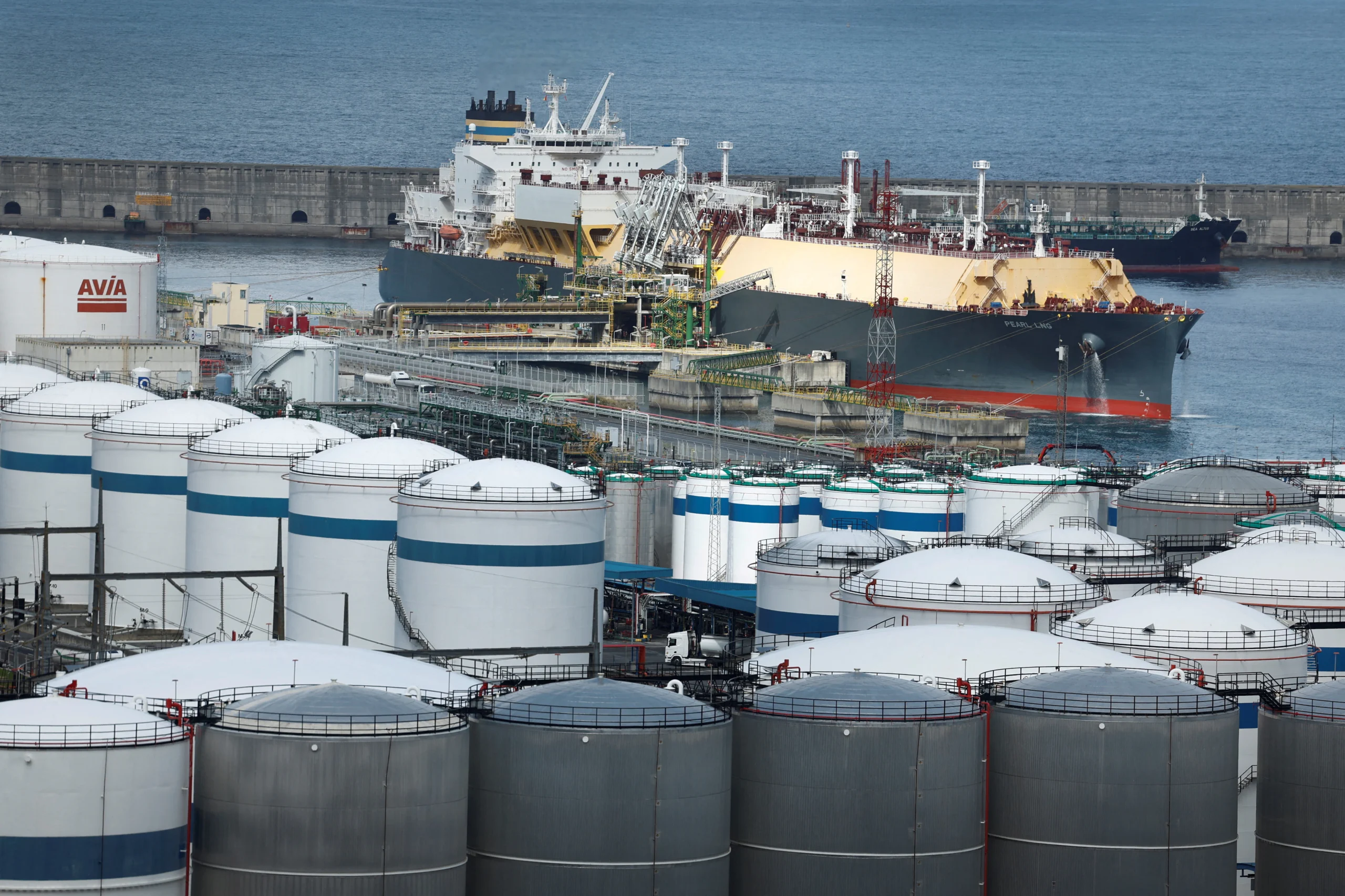
The ongoing conflict in the Middle East, particularly the Iran war, has triggered a sharp spike in global oil prices in 2026, creating a severe fuel crisis across Asia, Europe, and other regions. In response, more than a dozen countries have implemented emergency measures — including work-from-home (WFH) policies, four-day work weeks, restrictions on foreign travel, driving curbs, and energy conservation rules — to reduce fuel consumption and ease pressure on national economies.
According to reports, at least 13 countries have officially introduced work-from-home directives for government employees and, in some cases, private sector workers. Several nations have also imposed bans or strict limits on foreign travel by officials to conserve fuel and foreign exchange.
Here’s a detailed breakdown of the key decisions taken by various countries:
Pakistan
- 50% of public sector employees have been directed to work from home on a rotating basis.
- The government has also implemented a four-day work week in many departments to cut commuting fuel use.
Thailand
- Civil servants have been ordered to work from home for the duration of the crisis.
- Employees are encouraged to take stairs instead of elevators, wear short-sleeved shirts, and set air-conditioning to 27°C to reduce energy consumption.
Vietnam
- Businesses and government offices have been urged to allow remote working wherever possible.
- Citizens are being encouraged to use bicycles, carpool, and rely on public transport instead of personal vehicles.
Philippines
- The government has introduced a four-day work week for public sector employees.
- Non-essential official travel has been restricted to “essential functions only.”
Indonesia
- Civil servants must work from home every Friday.
- Non-essential travel by government officials has been curtailed.
Sri Lanka
- Public servants are now on a four-day work week.
- Strict fuel rationing measures have also been enforced.
Malaysia
- The Cabinet has approved a work-from-home policy for all ministries, government agencies, and government-linked companies (GLCs) to reduce fuel consumption.
Lao PDR
- Civil servants have been placed on remote work and rotating shifts.
- School weeks have been shortened from five to three days.
South Korea
- Public sector workers follow an odd-even number plate system for vehicle use.
- The government is considering expanding these driving restrictions nationwide if oil prices continue rising.
Senegal
- Ministers and government officials are banned from non-essential foreign travel following the oil price surge.
Egypt
- Non-essential government workers have been asked to work from home one day a week.
- Shops, restaurants, and cafes (except hotels and tourist spots) must close by 9 PM.
European Union Countries
- The European Commission has urged citizens across member states to work from home and reduce both driving and air travel wherever possible.
Other Notable Mentions
- Myanmar has introduced alternate-day driving restrictions.
- The International Energy Agency (IEA) has issued global recommendations: work from home, reduce highway speeds by at least 10 km/h, promote carpooling and public transport, and cut non-essential air travel.
India’s Response
Prime Minister Narendra Modi has also appealed to Indians to voluntarily adopt work-from-home, use public transport, carpool, and limit foreign travel to help save fuel and foreign exchange reserves. Several Indian companies and IT firms have started implementing hybrid or remote work models in response.
Why These Measures Matter
These steps are aimed at:
- Reducing daily fuel consumption
- Lowering pressure on foreign exchange reserves
- Stabilizing domestic fuel prices
- Ensuring energy security during the ongoing Middle East crisis
Experts believe that if more countries and companies adopt these practices, global oil demand could drop significantly in the coming months.
Leave a Reply