

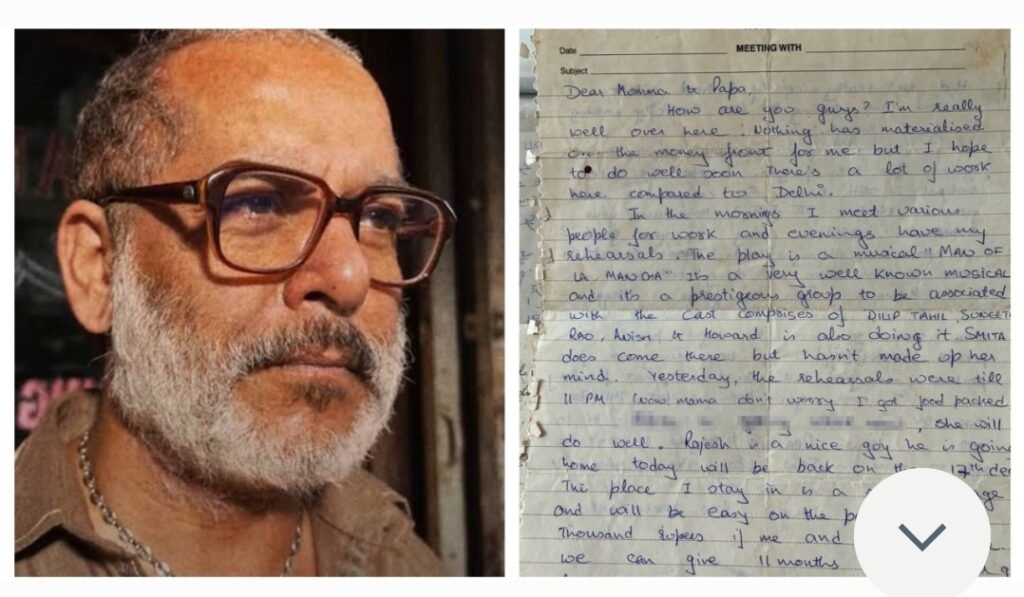
In December 1998, a 23-year-old Gaurav Gera sat in a tiny cottage he shared with a friend named Rajesh in Mumbai. Freshly arrived from Delhi, he penned a heartfelt letter to his parents detailing his daily battles: splitting rent, scraping together money for telephone, electricity, gas, water, and food. “Mumma and Papa,” he wrote, “the future is bright but I still have a lot to learn.” He was rehearsing evenings for the stage musical Man of La Mancha, chasing a dream that most would have abandoned long ago.
That letter, which Gera shared on Instagram nearly three decades later, is now a powerful symbol of resilience. The boy who once worried about being “heavy on your pocket” has become one of Indian cinema’s most inspiring comeback stories — and the powerhouse performer behind Mohammad Aalam, the unforgettable Dhurandhar in the 2026 global blockbuster Dhurandhar: The Revenge.
The Humble Beginnings and Early Grind
Born in 1975 in Faridabad, Haryana, and raised in Gurugram, Gaurav wasn’t handed a silver screen entry ticket. He studied fashion design before diving into Delhi’s theatre scene. In 1998, at 23, he took the bold leap to Mumbai — the city of broken dreams and glittering opportunities. There were no big contacts, no safety net. Mornings were spent knocking on doors for auditions and meetings; evenings belonged to rehearsals. Survival meant sharing cramped living spaces and watching every rupee.
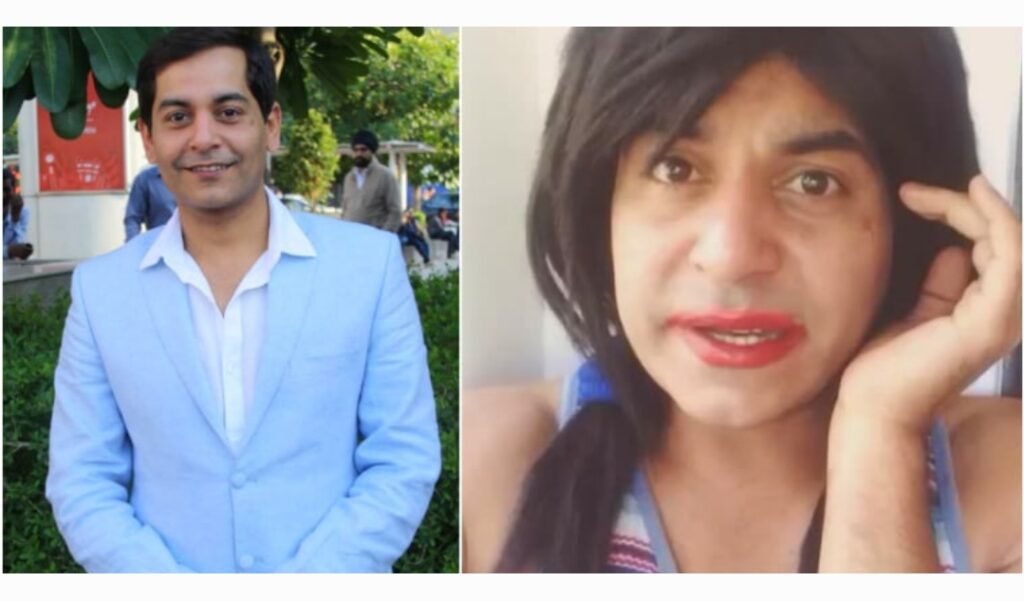
But Gaurav refused to quit. His first TV break came around 2001 with Life Nahin Hai Laddoo, followed by smaller roles. Then came the role that changed everything: Nandu, the loyal best friend in the groundbreaking 2000s hit Jassi Jaissi Koi Nahin. The show shattered the saas-bahu mould and made Gaurav a household name. He didn’t stop there — he appeared in The Great Indian Comedy Show, danced his way through Jhalak Dikhhla Jaa, and even led Mrs. Pammi Pyarelal in a cross-dressing role that showcased his fearless range.
The Risky Pivot: From TV Star to Digital Pioneer
At the peak of his television fame around 2010, Gaurav did the unthinkable — he walked away from the security of daily soaps. He craved creative control and shorter, sharper content in an era when the creator economy in India was barely a concept. No one was talking about YouTube stars or viral sketches yet. Gaurav saw the internet as his next frontier and bet everything on it.
The early days were brutal. He self-produced and uploaded 60 videos on YouTube that received almost zero traction — some barely crossed a few thousand views. Rejections from platforms and audiences piled up, but so did his determination. He kept experimenting, creating original characters single-handedly in his home setup, refining punchy dialogues and relatable quirks.
Then came the breakthrough in April 2015. The high-pitched, quick-witted “Chutki” — a sassy young woman with killer one-liners — paired with the deadpan, Haryanvi “Shopkeeper” in quick, pun-filled shop-counter sketches. These characters exploded overnight. The very first Chutki-Shopkeeper video (a simple Lipton tea joke turned into wordplay gold) went viral, racking up millions of views. Compilations on his official YouTube channel became blockbusters, with fans quoting lines like “Aise kaun shopkeeper ko shopkeeper bulata hai?” across Dubsmash, Facebook, Instagram Reels, and later TikTok.
Gaurav didn’t stop at two characters. He built an entire universe of over 30 memorable personas, but Chutki and Shopkeeper became his signature. He redefined Indian digital comedy — moving from long-form TV to bite-sized, character-driven humour that felt fresh, raw, and instantly shareable. Before the creator economy boom, he pioneered licensing his characters for merchandise, landed exclusive Snapchat filters, and built a massive, loyal fan base through consistent, relatable content. His 2017 TEDx talk, “How the Internet Gave Me a Second Life,” captured the journey perfectly: the internet didn’t just revive his career — it gave him a new identity and empire.
It wasn’t just content — it was empire-building born from struggle. The digital phase turned Gaurav into a true pioneer, proving that when traditional doors close, the internet can open an entirely new world.
The Cinematic Redemption: Becoming Dhurandhar
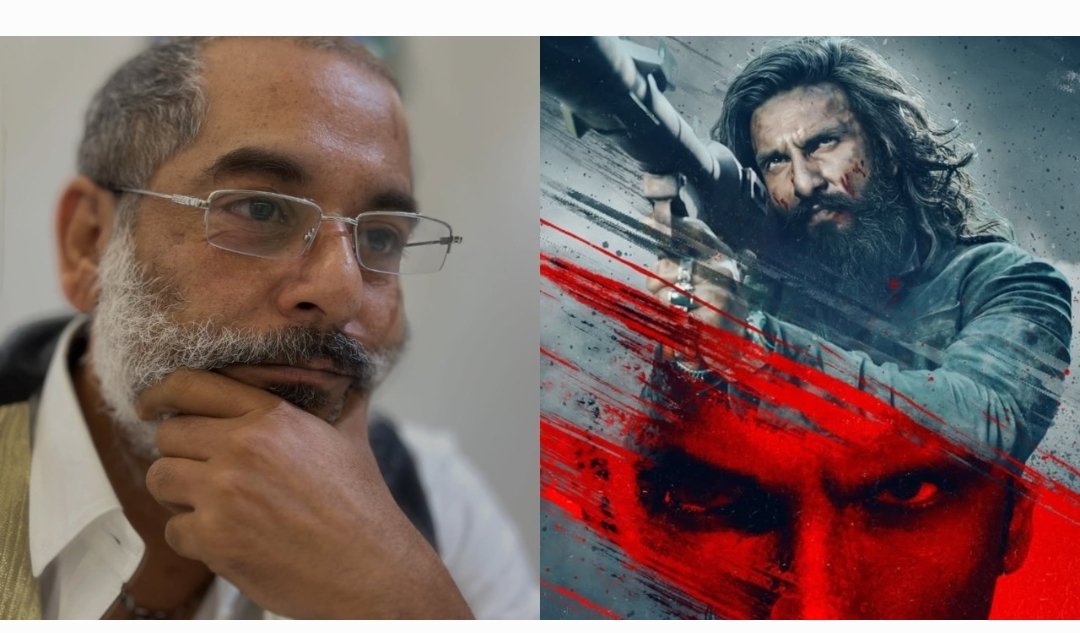
In 2026, under director Aditya Dhar, Gaurav delivered the performance of a lifetime in Dhurandhar: The Revenge. He transformed into Mohammad Aalam — a humble juice shop owner in Karachi’s Lyari neighbourhood by day, and a secret handler for an Indian spy (played by Ranveer Singh) by night. Gone was the comedic image; in its place was a gritty, unrecognisable dramatic powerhouse. Co-stars like Ranvir Shorey called it a “powerhouse turn.”
The film has smashed records, grossing over ₹761 crore worldwide. For Gaurav, it was validation after 28 years of persistence — from the 1998 cottage struggles to digital reinvention and finally the big screen. Sharing that 1998 letter, he wrote a touching note to his younger self: “Thanks to my 23-year-old self, Ma Pa.” The boy who once rehearsed in a cramped cottage under dim lights had finally arrived — proving that every struggle, every “no,” and every late-night upload was worth it.
The Lesson That Outshines the Success
Gaurav Gera’s journey isn’t just about fame or box-office numbers. It’s about the power of quiet hope and relentless reinvention. From fashion student to theatre actor, struggling Mumbai migrant to TV star, digital disruptor to serious cinema heavyweight — his story shows that success isn’t a straight line. It’s built on sleepless nights, empty pockets, 60 failed videos, and an unshakable belief that “the future is bright.”
Today, as audiences cheer for Dhurandhar across the globe, Gaurav stands as living proof: the struggles you endure today become the success story you tell tomorrow. If you’re chasing a dream and the road feels endless — remember the 23-year-old in that Mumbai cottage, or the creator uploading video after video with no views. Keep creating. Keep writing your letter. The world is watching, and the future? It really is bright.