
Vadodara, January 22, 2026 – Since taking charge as Municipal Commissioner in April 2025, Arun Mahesh Babu, IAS, has transformed Vadodara’s civic administration with a fiercely citizen-centric approach. His relentless focus on transparency, swift action, and zero tolerance for inefficiency has delivered visible progress—but it has also made him a lightning rod for criticism, political backlash, and even satirical memes labeling him as the mythical Ravana. The real story behind the targeting? Babu refuses to be controlled by vested interests that have long preferred stagnation over genuine development in the city.
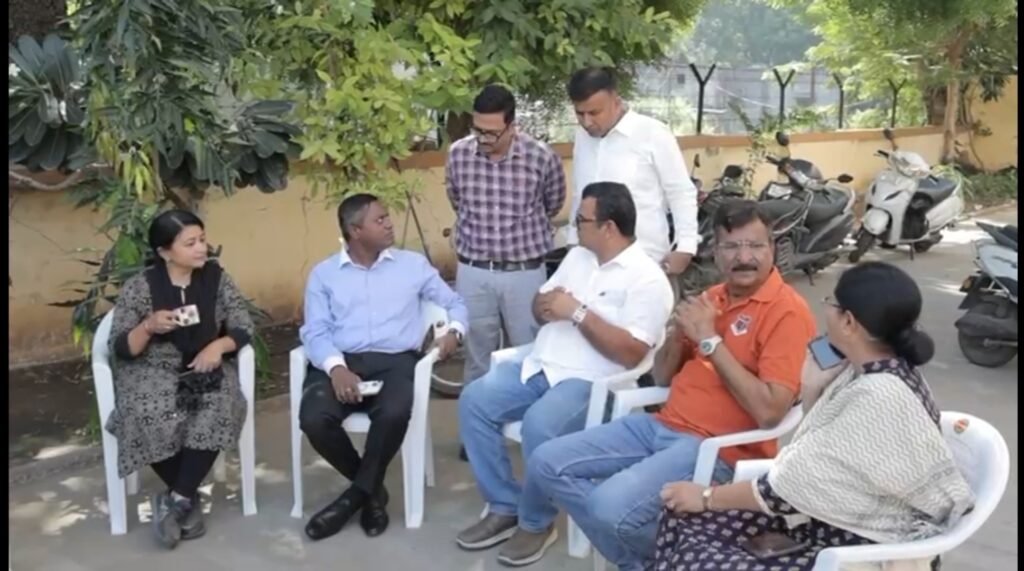
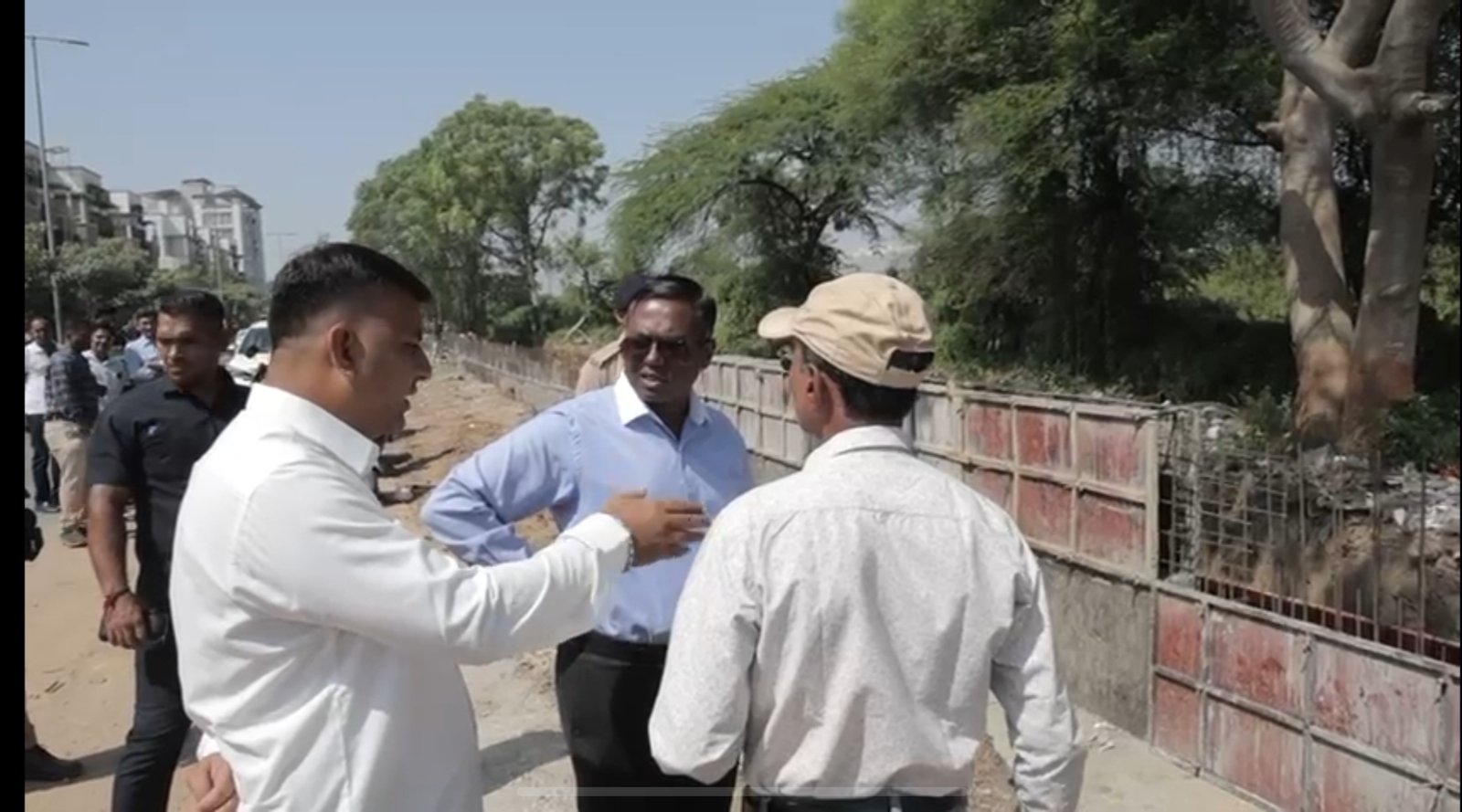
Babu’s hallmark is uncompromising, hands-on leadership. Through frequent surprise inspections, he holds officials accountable in real time. Encroachments vanish from crowded markets like Nava Bazar, Mangal Bazar, and Karelibaug; ward-level lapses in areas 13–14 get fixed overnight; and citizen complaints are personally verified with follow-up calls. Strict deadlines for cleanliness drives and monsoon preparedness ensure everyday issues—potholes, water shortages, garbage—are addressed urgently, breaking the cycle of bureaucratic delays that once plagued Vadodara.
His anti-corruption resolve stands out starkly. In mid-2025, he suspended senior Fire and Emergency Services officials—including the Head of Department, Chief Fire Officer, and Deputy Fire Officer—over a ₹3.17 crore procurement scam. New leadership assumed charge the next day, safeguarding public safety funds and sending a powerful message: no one is above accountability. Such moves disrupt networks that benefited from lax oversight and inflated contracts, naturally breeding resentment among those accustomed to unchecked influence.
Babu’s vision extends far beyond enforcement. He champions a sustainable, modern Vadodara with Miyawaki urban forests for green expansion, heritage preservation, innovative mobility like solar-powered podcars, and alignment with Gujarat’s digital governance and export-growth goals. His active involvement in events like the Urban Innovation Summit and inaugurations at Navrachana University positions the city as a forward-thinking hub, attracting investments and improving quality of life for residents.
Yet, this momentum invites fierce opposition. Viral social media memes portray Babu as Ravana—the ten-headed demon king—mocking his “omnipresent” oversight across multiple fronts: corruption crackdowns, encroachment removals, sanitation, infrastructure, and more. While detractors frame it as overreach, supporters see it as the multi-pronged diligence needed to dismantle decades of inertia in one decisive push.
Recent incidents have amplified the noise. The tragic December 2025 death of a 40-year-old man who fell into an open sewage manhole in Manjalpur sparked outrage, with opposition parties like Congress demanding FIRs against Babu, corporators, and engineers for alleged negligence. Babu responded decisively: vowing action against the contractor, filing an FIR through the VMC, and pushing for preventive probes. Such tragedies highlight systemic challenges in high-pressure urban management, but critics weaponize them to portray administrative failure—often ignoring Babu’s prompt commitments to accountability.
At its heart, the targeting stems from Babu’s refusal to bend to forces that thrive on the status quo. Lax officials facing scrutiny, contractors held to quality standards, groups profiting from project delays, and even elements within the political ecosystem accustomed to influencing decisions—all view his independent, pro-people stance as a direct threat. When a bureaucrat prioritizes citizens over entrenched interests, resistance follows: through political demands, media amplification, and creative satire like the Ravana memes.
Supporters counter this narrative strongly. Residents on social platforms call him a “true man” delivering real change after years of stagnation, flooding comments with praise and prayers for his success. His approach—demanding efficiency, transparency, and results—embodies the kind of governance Vadodara desperately needs.
In truth, strong, uncontrolled leadership that puts people first inevitably provokes backlash from those who lose out when development accelerates. Vadodara stands at a crossroads: cleaner streets, safer services, corruption-free systems, and sustainable growth are within reach under Babu’s watch. The attacks are not about failures—they’re about fear of progress. Rather than division, this moment calls for unified support. With residents standing behind a commissioner who can’t be controlled by anti-development forces, Vadodara can surge toward becoming a truly livable, vibrant, and equitable city. True progress demands leaders who serve the people, not the powerful—and Babu is proving exactly that.
Leave a Reply